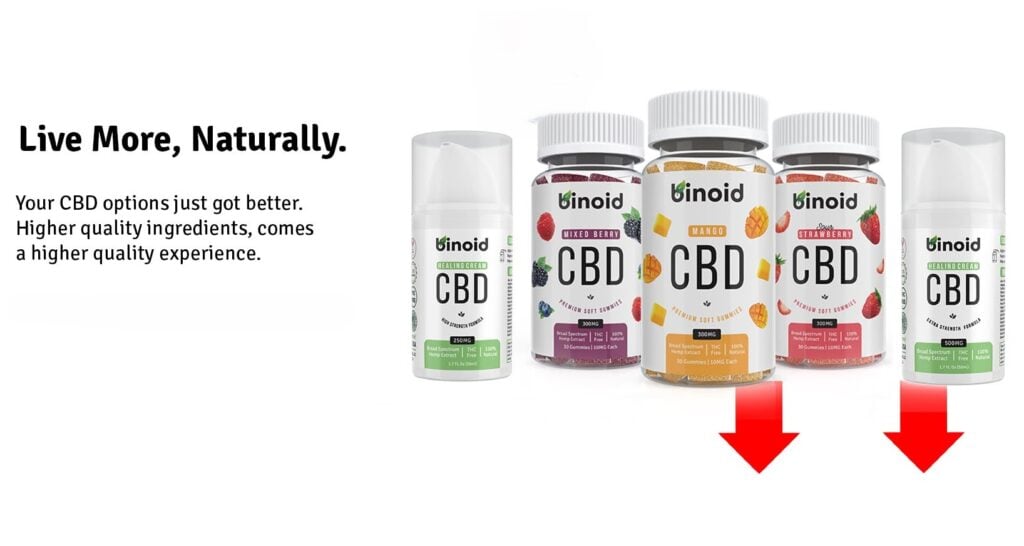
Hemp-derived products have become a familiar part of the modern wellness conversation, but shopping for them can still feel confusing. CBD oils, gummies, topical creams and cannabinoid blends all have different purposes, formats and ingredients. Add unfamiliar abbreviations and varying strengths to the mix, and it becomes clear why a little product knowledge goes a long way. Rather than choosing something because it is trending, today’s shoppers benefit from understanding what they are buying and how it fits their preferences.
Binoid CBD offers a broad selection of hemp-derived products, including CBD oils, gummies, topical creams and products containing other cannabinoids. This variety gives shoppers different formats to explore, whether they prefer a measured serving of oil, a convenient edible or a topical product. The most useful starting point is to understand the differences between these options, pay attention to product testing and make informed decisions instead of relying on bold marketing claims.
Find a Format That Fits Your Everyday Routine
Convenience can make a meaningful difference when choosing a product. Oils offer flexibility in how they are measured, while gummies provide a familiar, pre-portioned format that does not require a dropper. Topical creams have a different application method altogether, making them worth considering for people who prefer products applied directly to the skin. Each format has practical advantages, but personal preference and intended use should guide the decision.
The range available from Binoid CBD includes oils, gummies and topical creams, giving shoppers several ways to compare products. Before choosing, consider how much preparation you are comfortable with, whether you prefer a particular flavor and how easily a product fits into your day. Edibles generally take longer to produce noticeable effects than inhaled products, while topical products are intended for application to the skin. These differences matter, and no format should be assumed to work identically for everyone.
Get to Know CBD Before Exploring Other Cannabinoids
CBD, short for cannabidiol, is a compound found in cannabis plants, including hemp. It is different from THC, the cannabinoid primarily associated with the intoxicating effects of cannabis. Although both are discussed in the hemp industry, they should not be treated as interchangeable. Products can contain different cannabinoids, and their effects, potential risks and legal status may vary according to their composition.
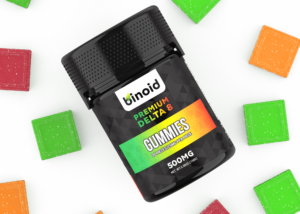
Binoid CBD also features products involving cannabinoids beyond CBD, so reading the ingredient list is particularly important. Terms such as delta-8 THC, delta-9 THC and THCA refer to distinct compounds or forms with different properties. Some can cause intoxication, even when marketed as hemp-derived products. Shoppers who want to avoid intoxicating effects should check the complete cannabinoid profile rather than relying on a product’s name or the word “hemp.” Anyone taking medication or managing a health condition should consult a qualified healthcare professional before using cannabinoid products.
Make Third-Party Testing Part of Your Shopping Checklist
A product label can tell you how much CBD a manufacturer claims to include, but independent laboratory testing offers another way to assess what is inside the package. A certificate of analysis, commonly called a COA, reports laboratory findings for a specific sample. Depending on the product and test, it may provide information about cannabinoid potency, contaminants and other quality indicators. Learning to read these reports is a practical habit for anyone comparing hemp products.
Binoid CBD states that its CBD products undergo third-party laboratory testing and that certificates of analysis are linked on product pages. Its published laboratory resources also include reports for various hemp-derived products. Before buying, look for a report that matches the exact product and, where available, its batch or lot number. Check the testing date, cannabinoid results and contaminant screening details. An accessible report is a useful starting point, but it is still worth examining what was tested and whether the findings relate to the product currently being sold.
Look Beyond the Milligram Number
Strength is one of the most visible details on a CBD label, but a larger number does not automatically mean a better product. Total milligrams per bottle and milligrams per serving describe different things. For example, a bottle containing 1,000 milligrams across 30 millilitres does not provide 1,000 milligrams in each serving. Understanding that distinction helps shoppers compare products fairly and avoid confusing packaging claims.
When browsing Binoid CBD, compare the total cannabinoid content, serving size, recommended use and ingredient list together. Pay attention to whether the stated amount refers to CBD alone or a mixture of cannabinoids. Flavors, carrier oils, sweeteners and other ingredients may also affect your preference. A straightforward label makes it easier to understand what you are purchasing, while a clear return policy and accessible customer support can make the shopping experience more reassuring. The aim is not to buy the strongest option, but to understand the product well enough to make a considered choice.
Choose Quality and Transparency Over Hype
Hemp products are often promoted using words such as natural, premium and powerful. These descriptions may sound appealing, but they do not independently establish safety, purity or effectiveness. A more useful approach is to examine the information behind the marketing. Clear ingredients, relevant testing documentation, sensible usage instructions and transparent business policies provide more practical value than exaggerated promises.
The online catalogue at Binoid CBD makes it possible to explore multiple product categories before deciding what to purchase. Use that opportunity to compare labels and check the information supplied for individual products. Be cautious of claims that a CBD product can diagnose, treat or cure a medical condition. CBD is not an established treatment for every condition promoted in wellness marketing, and evidence varies depending on the proposed use. Transparency is most meaningful when it helps shoppers understand both what a product contains and what remains uncertain about its effects.
Keep Safety and Local Regulations in the Picture
Responsible shopping includes considering where a product can legally be purchased and used. Hemp-derived does not automatically mean non-intoxicating or legal everywhere. Rules concerning CBD, THC and other cannabinoids differ between jurisdictions, and products that are permitted in one location may be restricted in another. Travellers should be especially careful because carrying cannabinoid products across borders can create legal complications even when the products are sold openly online.
Before ordering from Binoid CBD, review the current shipping restrictions, product-specific warnings and applicable local laws. Keep products in their original packaging and follow the manufacturer’s storage instructions. CBD can interact with certain medications, and possible side effects include sleepiness, diarrhoea and changes in appetite. Avoid combining cannabinoid products with alcohol or other intoxicating substances, and do not drive after using a product that may impair alertness. CBD products should not be used during pregnancy or breastfeeding without appropriate medical guidance. These precautions help put product choice into a broader context of personal safety.
Make Every Hemp Purchase an Informed One
Exploring hemp-derived products does not have to mean sorting through confusing labels or following every new trend. Understanding product formats, distinguishing CBD from intoxicating cannabinoids, checking laboratory reports and comparing serving information can make the shopping process much clearer. These habits also help set realistic expectations and keep personal safety at the centre of each decision.
Binoid CBD provides a varied catalogue that allows shoppers to explore oils, gummies, topical creams and other cannabinoid products in one place. Its published testing information offers another point to investigate when comparing individual items. Ultimately, the most useful purchase is not necessarily the newest or strongest option. It is the one whose ingredients, intended use, testing information and legal status you understand before placing an order.