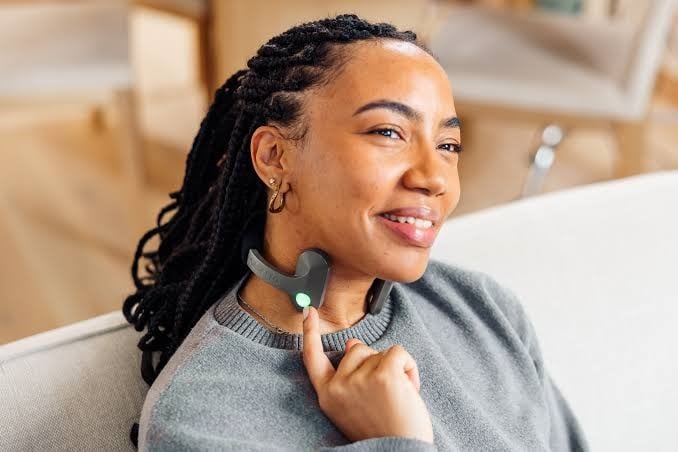
A busy day rarely ends when the laptop closes. Messages keep arriving, tomorrow’s tasks start lining up, and the mind can continue racing long after the body has settled onto the sofa. For people trying to build a healthier relationship with stress, finding a realistic way to slow down can feel just as important as eating well or getting enough movement. The most useful routines are often the ones that fit into ordinary life rather than demand another major lifestyle change.
Pulsetto approaches this challenge through wearable technology designed to stimulate the vagus nerve in the neck. Its devices combine electrical stimulation with guided sessions through a companion app, giving users another option to explore as part of a broader relaxation routine. Rather than promising an instant solution to every stressful day, the technology is best understood as a tool that may complement established habits such as regular sleep, breathing exercises, physical activity and appropriate professional care.
Understand the Vagus Nerve Behind the Technology
The vagus nerve is an important part of the body’s autonomic nervous system, which helps regulate functions that happen without conscious effort, including aspects of heart rate, digestion and communication between the brain and internal organs. It also plays a role in the parasympathetic nervous system, commonly associated with rest and recovery. Because of these connections, vagus nerve stimulation has attracted scientific and clinical interest in several areas of health.
The approach used by Pulsetto is designed to deliver non-invasive electrical stimulation through the skin around the neck rather than requiring an implanted device. This distinction makes it a different proposition from implanted vagus nerve stimulators used for specific medical indications under clinical supervision. However, the science surrounding vagus nerve stimulation is still developing, and evidence from one type of stimulation cannot automatically be applied to another. Understanding that distinction helps consumers appreciate the technology without expecting results that research has not established.
Turn Relaxation Into a Routine You Can Actually Maintain
One of the biggest challenges with wellness habits is consistency. A meditation course may sound appealing, but finding time for a long session every day can be difficult when work, family responsibilities and household tasks compete for attention. Short, structured sessions can feel more manageable because they create a clear beginning and end. That convenience can make it easier to build a deliberate pause into a packed schedule.
Pulsetto pairs its wearable device with an app that offers guided stimulation sessions, allowing users to follow a defined routine rather than work everything out independently. Someone might choose to set aside a few minutes after finishing work or before beginning an evening wind-down ritual. The practical benefit is having a repeatable activity that signals a transition between parts of the day. The device should not be treated as a substitute for adequate rest, and individual experiences will differ, but a consistent routine can help people become more intentional about making space for recovery.
Explore App-Guided Sessions Without Overcomplicating Your Day
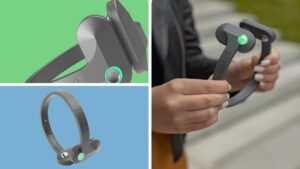
Technology is most useful when it reduces friction instead of adding another complicated task. Wearables that require constant adjustments or lengthy setup can become difficult to maintain, especially for people who already feel overwhelmed. A companion app can simplify the experience by bringing session controls and instructions into one place, helping users understand what to do and when to stop.
With Pulsetto, the app forms an important part of the overall experience, working alongside the wearable to guide sessions. Before purchasing, it is sensible to review the current app features, compatible operating systems, subscription arrangements and any device-specific requirements. These details can change between product versions, so the information displayed on the official website and app store should take priority over older reviews. New users should also follow the manufacturer’s instructions for electrode placement, contact gel where required, session duration and stimulation intensity. Starting within the recommended settings is more appropriate than assuming that stronger stimulation produces better results.
Give Stress Management More Than One Layer
Stress is influenced by many factors, from workload and financial pressure to relationships, sleep quality and physical health. A single device cannot remove those underlying pressures, which is why effective stress management generally works best as a collection of habits. Regular exercise, adequate sleep, time outdoors, supportive relationships and relaxation practices can each contribute to a more balanced routine.
Pulsetto may appeal to people who want to explore a technology-based addition to those habits. For example, a user could pair a guided session with a short walk after work, a consistent bedtime or a few minutes of slow breathing. Keeping track of sleep, perceived stress and daily energy may help identify patterns over time, although personal observations are not the same as proof that a device caused a change. If anxiety, persistent low mood or sleep problems interfere with daily life, a qualified healthcare professional can help identify suitable treatment options. A wearable can be one part of a wellness plan, not a replacement for care when it is needed.
Choose the Device With Comfort and Practicality in Mind
A wearable designed for the neck needs to fit comfortably enough to use according to its instructions. People differ in neck shape, skin sensitivity and tolerance for electrical stimulation, so comfort deserves as much attention as technical specifications. It is worth examining the device’s dimensions, charging method, session controls and care instructions before committing to a purchase. Anyone who dislikes wearing accessories around the neck should consider whether the format is likely to suit their preferences.
The appeal of Pulsetto lies partly in its combination of a physical wearable and app-based guidance, rather than requiring users to attend a session at a dedicated facility. Nevertheless, buyers should check the current package contents, warranty, return conditions and ongoing costs before ordering. Product availability and included features can change, and not every model or offer necessarily provides the same experience. A thoughtful comparison makes it easier to decide whether the device offers practical value for a particular lifestyle instead of buying simply because wearable wellness technology is attracting attention.
Know the Safety Considerations Before Your First Session
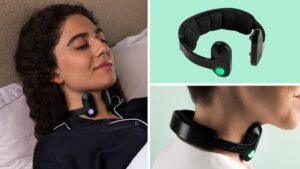
Electrical stimulation is not suitable for everyone, and non-invasive does not automatically mean risk-free. People with implanted electronic devices, certain heart conditions, seizure disorders or other relevant medical concerns should obtain professional guidance before considering vagus nerve stimulation. Pregnancy and other circumstances may also require additional caution. The correct precautions depend on the specific device and the individual’s medical history, so manufacturer guidance and qualified clinical advice matter.
Before using Pulsetto, read the latest safety instructions and contraindications supplied for the exact model. Do not use the device on broken or irritated skin, exceed the recommended intensity or extend sessions beyond the instructions. Stop if stimulation causes significant discomfort, dizziness, skin irritation or other concerning symptoms. People who take medication or receive treatment for a health condition should discuss the device with their healthcare provider rather than changing an established treatment plan. These steps help ensure that curiosity about a new wellness tool does not come at the expense of personal safety.
A More Intentional Approach to Everyday Recovery
Building a calmer lifestyle rarely comes down to one purchase or one perfect routine. It usually involves small, repeatable choices that support rest, movement, healthy boundaries and time away from constant demands. Wearable wellness technology offers another way to explore those choices, provided its capabilities are understood realistically and safety remains a priority.
Pulsetto brings non-invasive vagus nerve stimulation and app-guided sessions into a wearable format designed for home use. For people interested in exploring this approach, its combination of device-based stimulation and structured guidance may offer a practical addition to an existing relaxation routine. The smartest starting point is to check the latest product details, understand the evidence and precautions, and decide whether the technology genuinely fits your needs. A more intentional day begins with informed choices, not promises of a quick fix.